1. iac writing a infra in version control scripts
- terraform is agent less
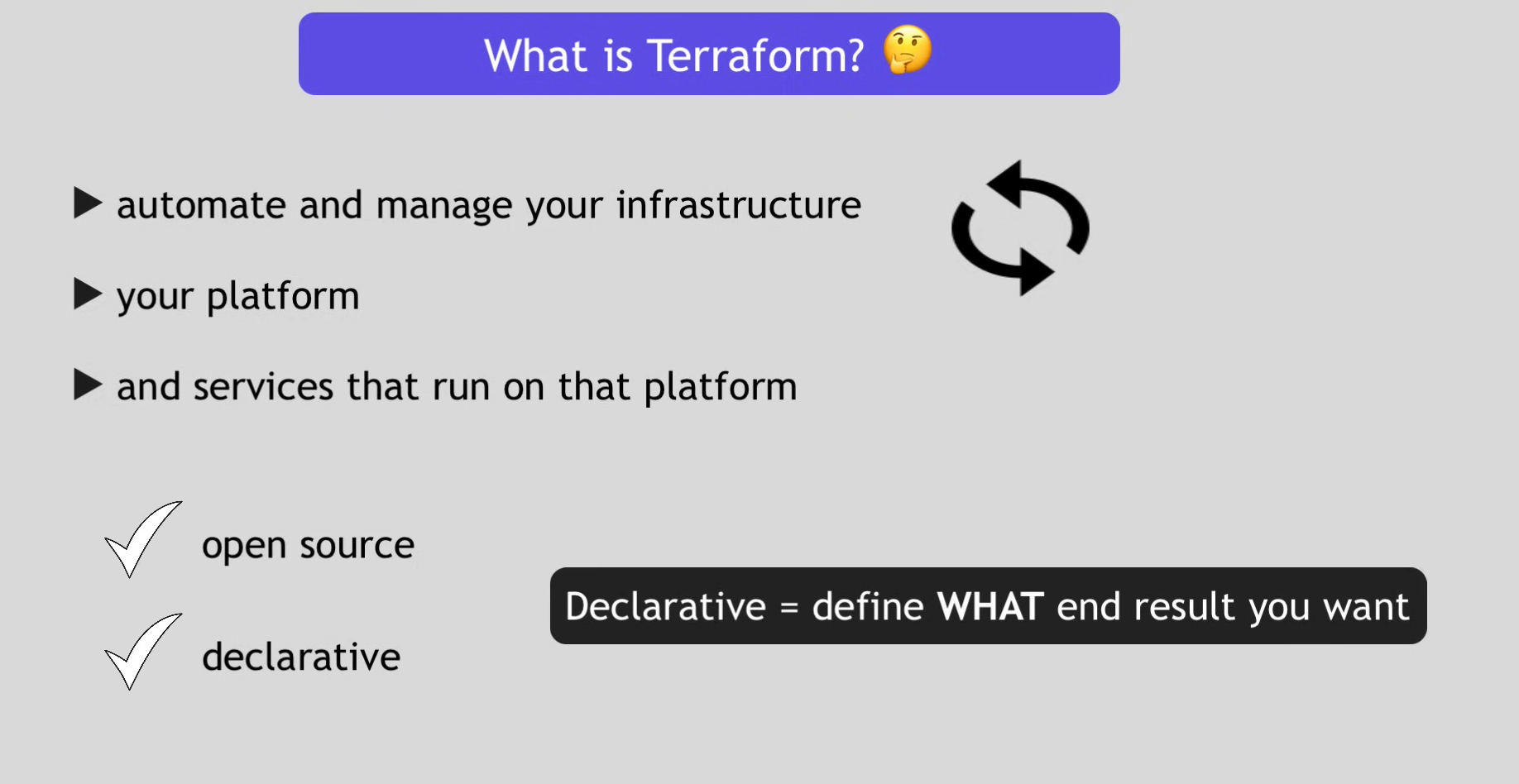
- terraform is declarative
Terraform interview
Terraform Variables
Terraform Project Structure
in short we have to remember only 4 commands
terraform init terraform plan terraform apply -auto-approve terraform destory
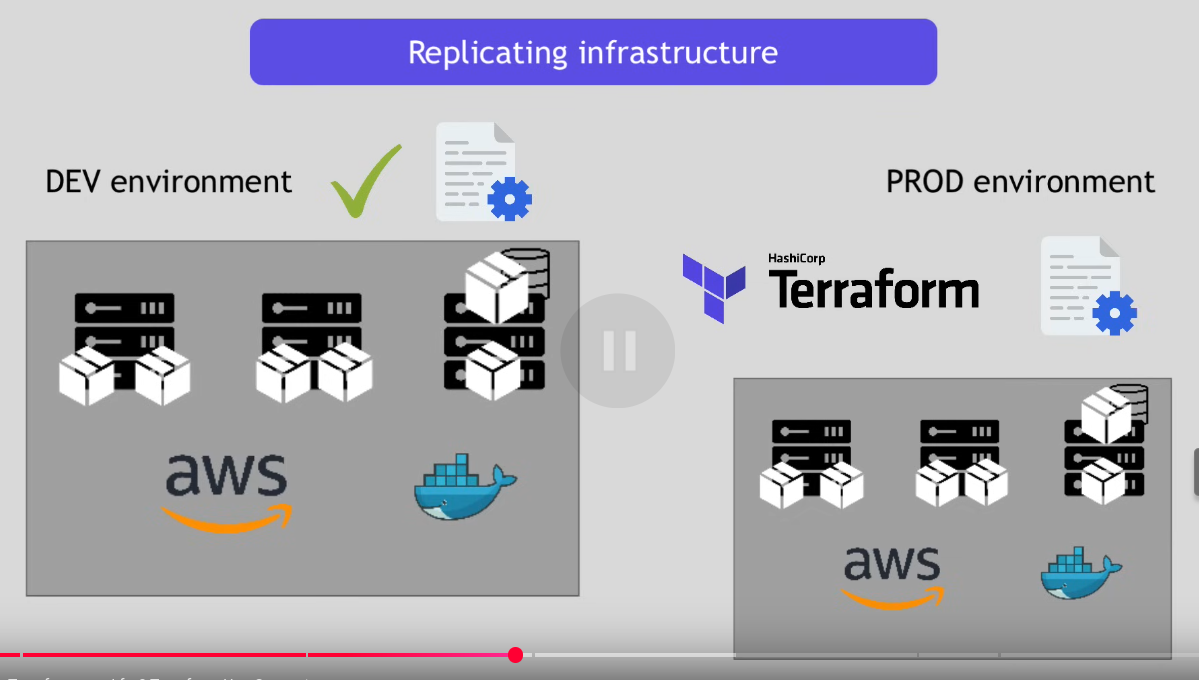
Terraform is an open-source Infrastructure as Code (IaC) tool created by HashiCorp. It allows you to define, provision, and manage cloud and on-premise infrastructure using a declarative configuration language called HashiCorp Configuration Language (HCL).
Yamaha FZ-S FI V3
🔍 What Terraform Does
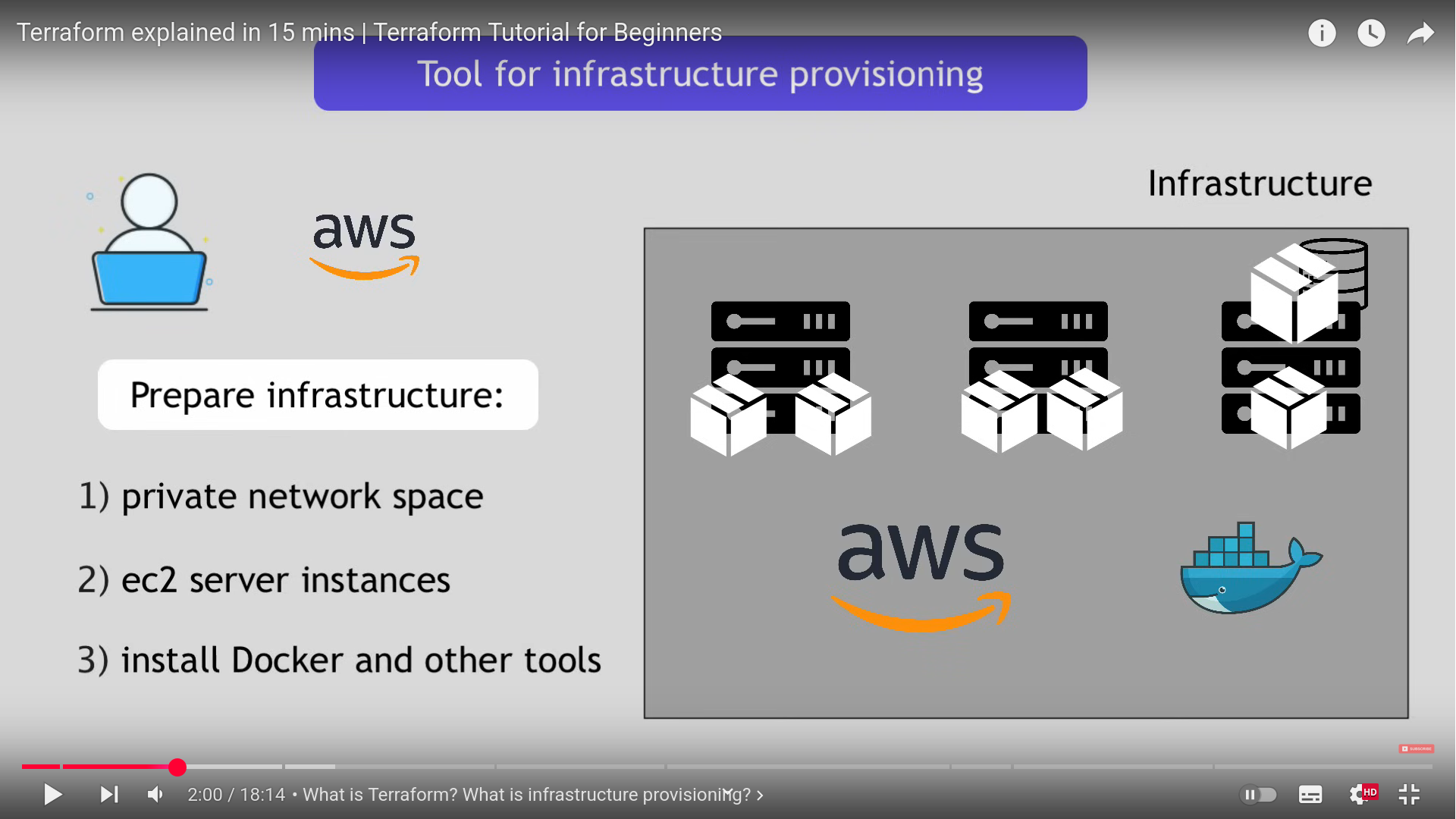
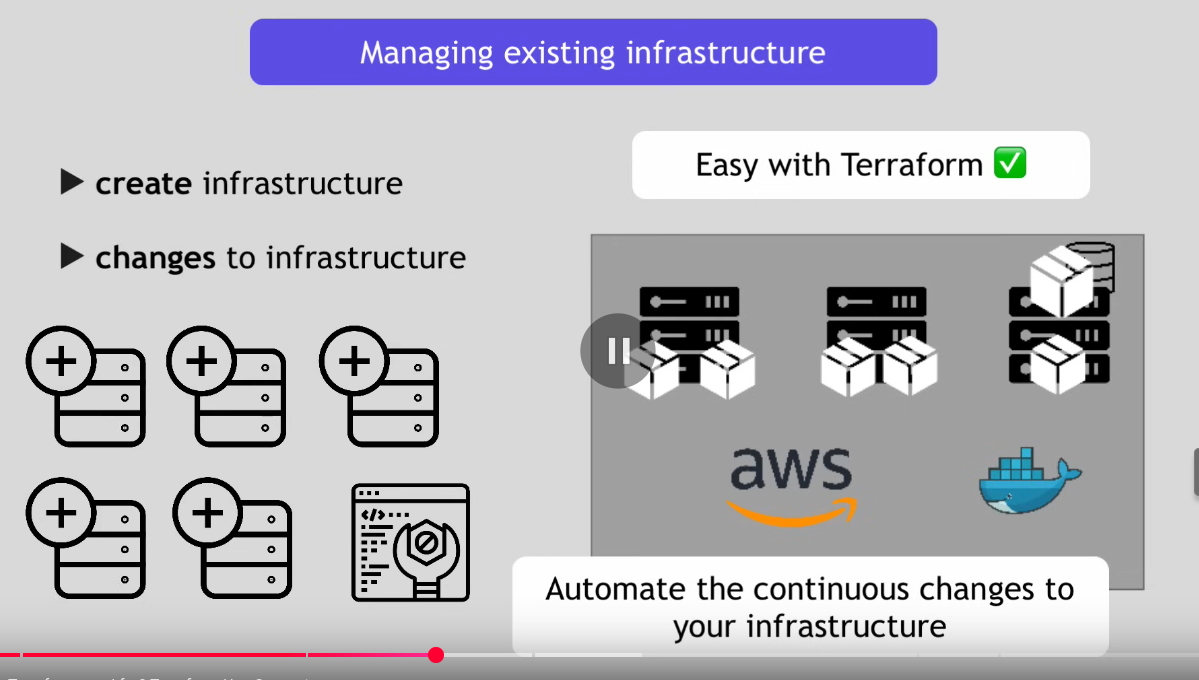
Terraform automates the creation and management of your infrastructure. Instead of manually setting up servers, databases, networking, and other components, you write code that describes what you want, and Terraform does the rest.
💡 Key Concepts of Terraform
| Concept | Description |
|---|---|
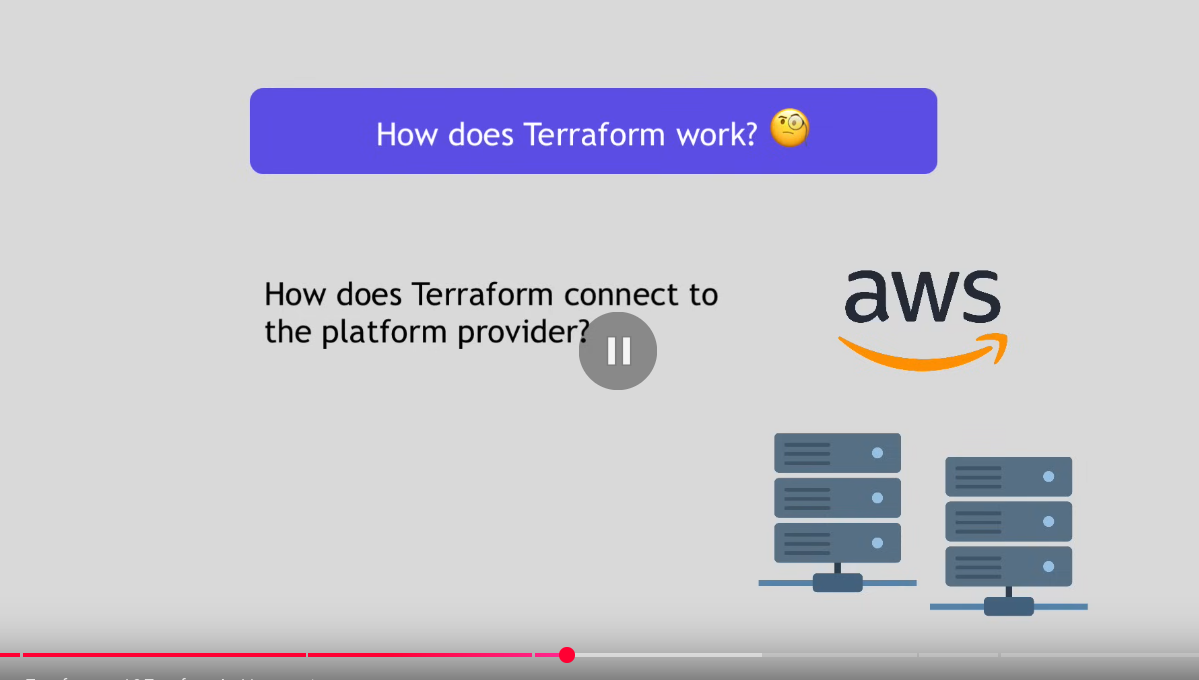
| Providers | These are plugins for Terraform to interact with different services (e.g., AWS, Azure, GCP, Kubernetes, etc.). |
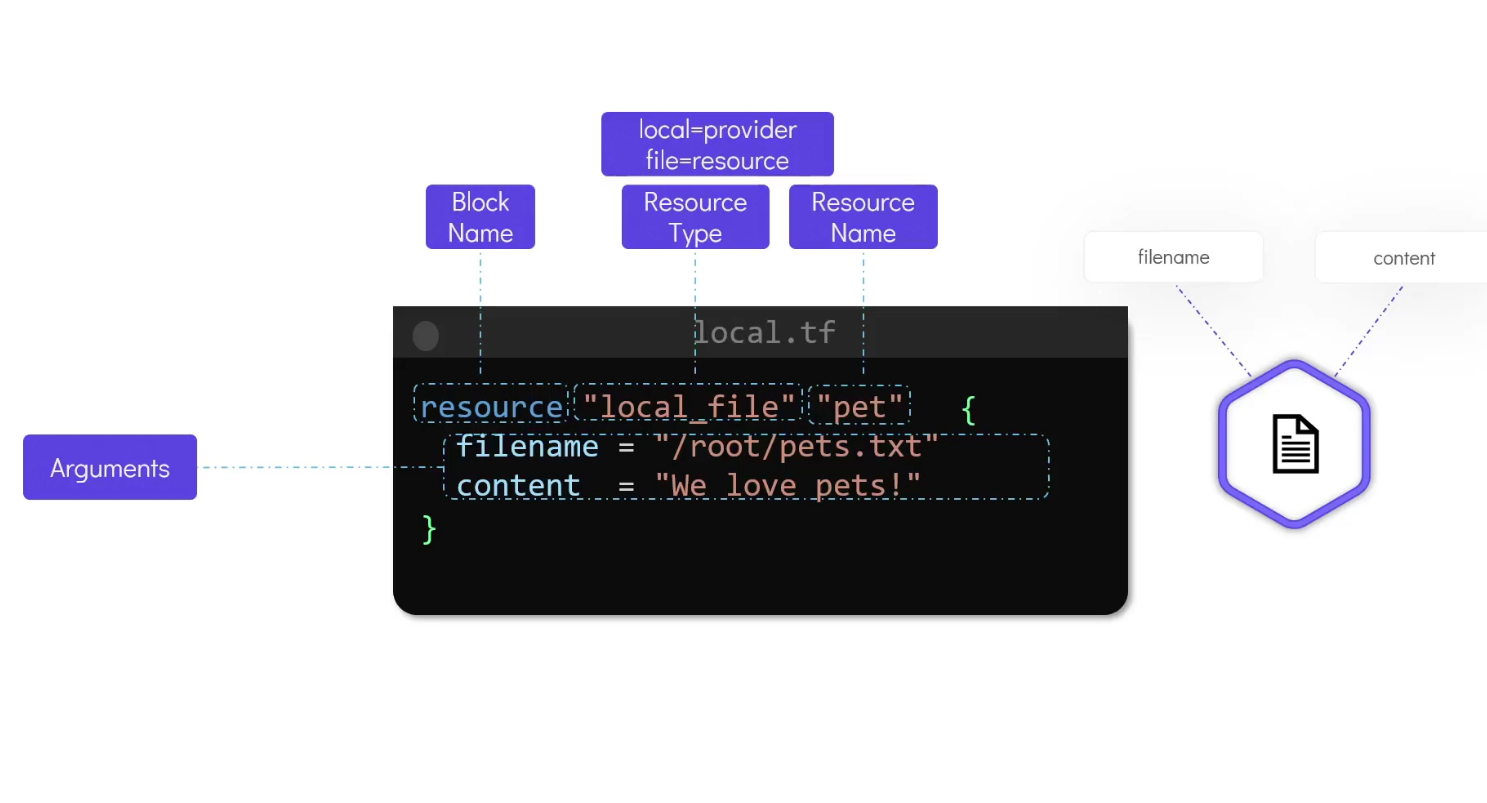
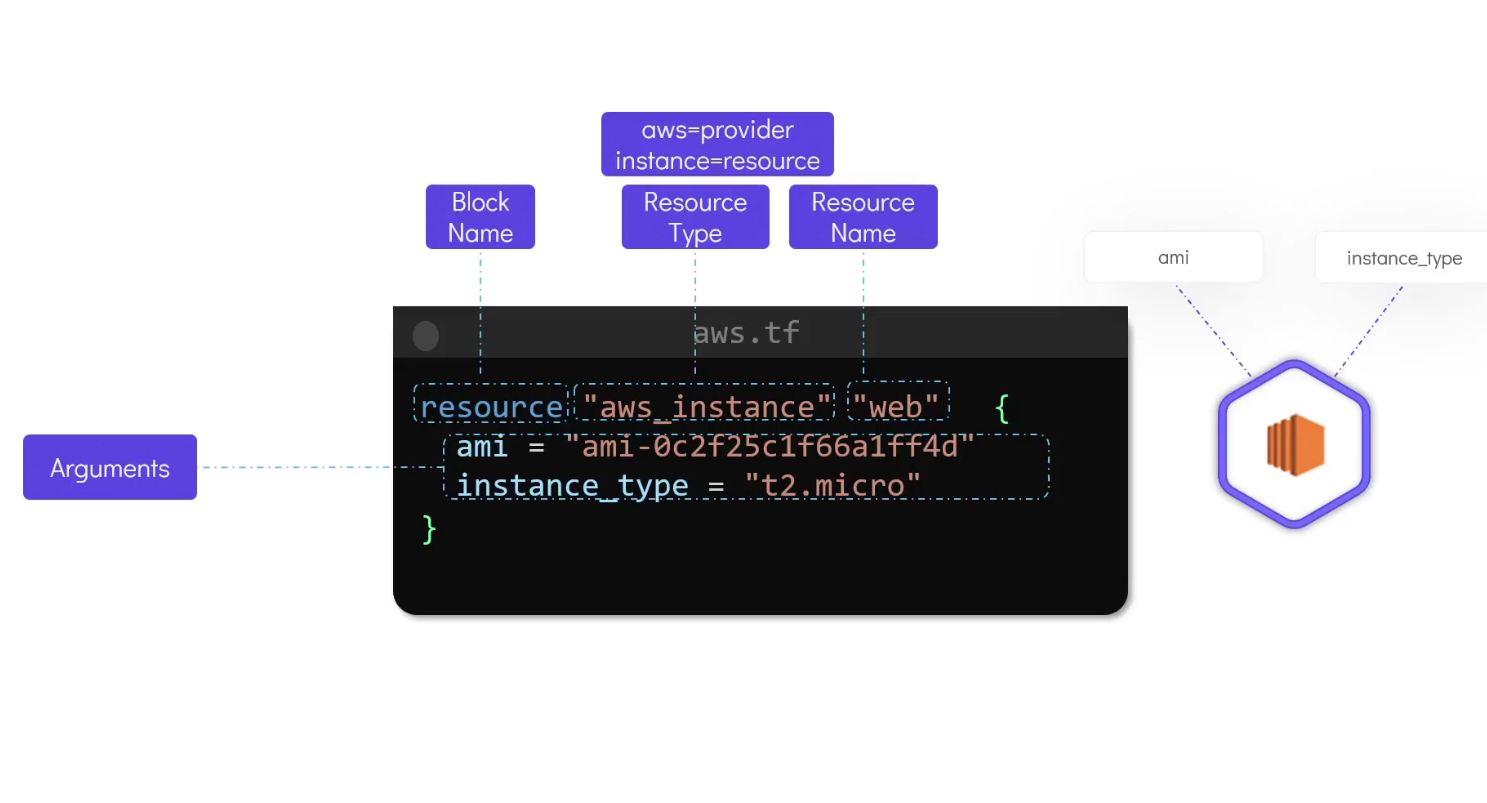
| Resources | The basic building blocks like VMs, buckets, networks defined in Terraform files. |
| Modules | Group of resources combined into reusable components. |
| State | Terraform keeps track of what infrastructure it has deployed using a .tfstate file. |
| Plan | Command to preview what Terraform will do (e.g., add, change, destroy). |
| Apply | Executes the actual changes as per the plan. |
| Destroy | Tears down everything managed by Terraform. |
🧱 Structure of a Terraform Project
main.tf       --> main configuration
variables.tf  --> variables used in config
outputs.tf    --> output values after apply
terraform.tfstate --> state file
⚙️ Basic Workflow
-
Write Configuration
provider "aws" { region = "us-east-1" } resource "aws_instance" "example" { ami = "ami-0c55b159cbfafe1f0" instance_type = "t2.micro" } -
Initialize Terraform
terraform init -
Preview Plan
terraform plan -
Apply Changes
terraform apply
if i dont want to type yes then we can use this command
terraform apply -auto-approve
-
Destroy Infrastructure
terraform destroy
🌐 Providers Supported by Terraform
- Cloud: AWS, Azure, Google Cloud, Oracle Cloud
- Container: Docker, Kubernetes
- SaaS: GitHub, Datadog, Cloudflare
- Others: VMware, OpenStack, etc.
📌 Real-World Use Cases
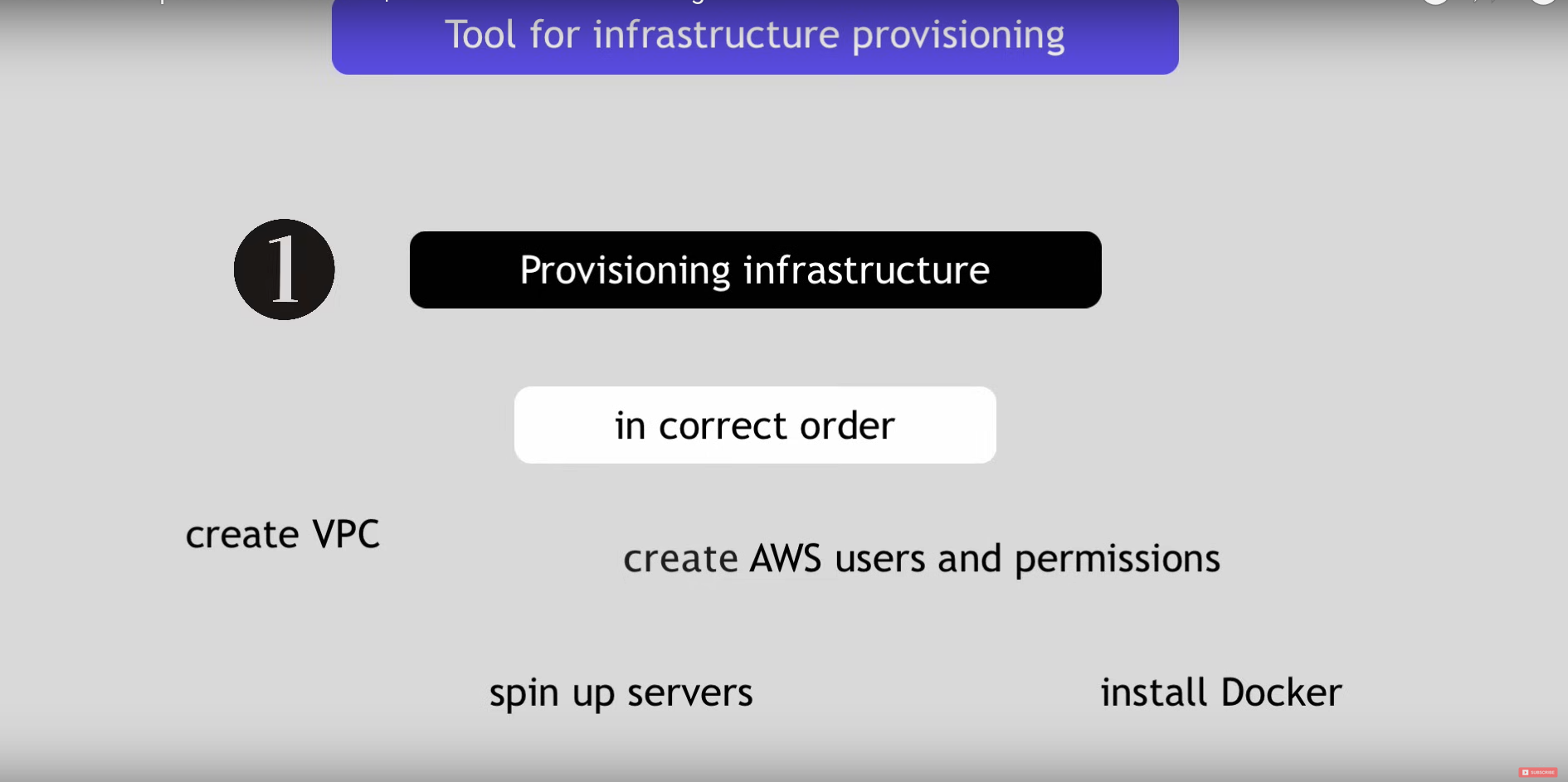
- Provisioning Cloud Infrastructure: Automate AWS EC2, RDS, S3 bucket creation.
- CI/CD Pipelines: Spin up environments dynamically in DevOps workflows.
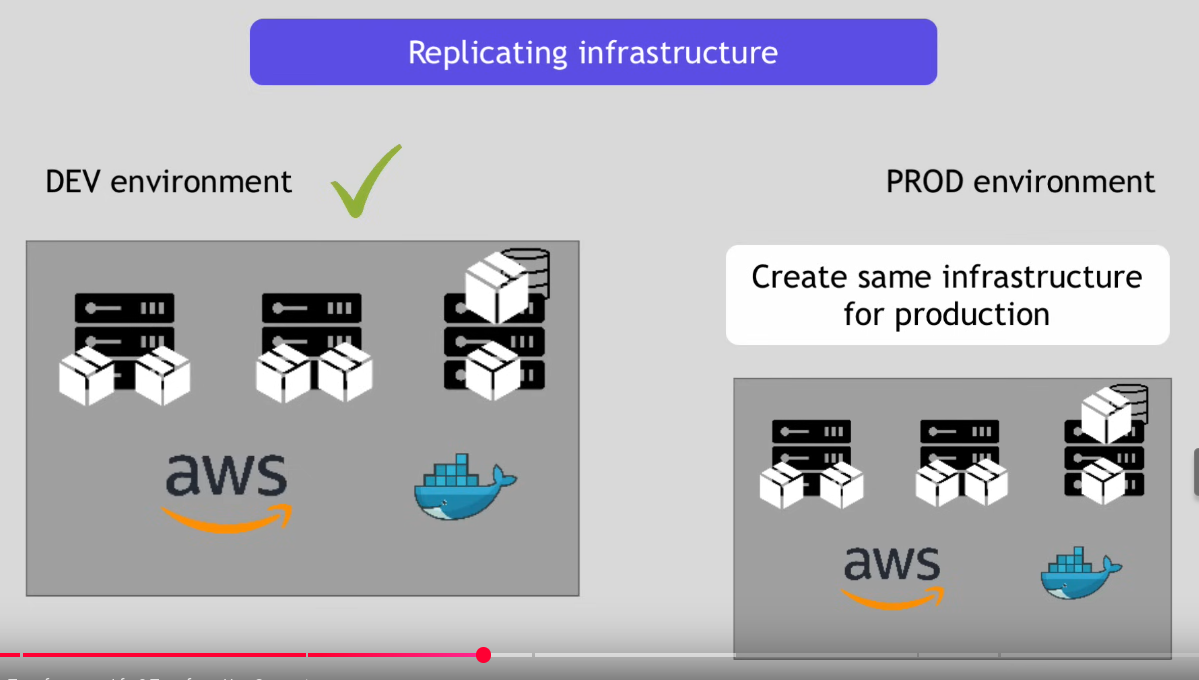
- Disaster Recovery: Recreate infra from code during failures.
- Multi-cloud Deployment: Manage resources across AWS + GCP using same tool.
- Scaling Infrastructure: Define autoscaling groups, load balancers easily.
🧠 Advantages
- ✅ Infrastructure as Code
- ✅ Idempotent (same code = same result)
- ✅ Version-controlled Infrastructure
- ✅ Reusable and Modular
- ✅ Supports Multi-cloud
- ✅ State Management
⚠️ Challenges
- 🔧 Managing state in teams (use remote state via S3 + DynamoDB)
- 🚫 Error-prone if plan is not reviewed
- 🔄 Terraform is declarative, but sometimes you need imperative logic (handled via
count,for_each, etc.)
🎓 In Interviews / Exams
-
What is Terraform?
Tool for Infrastructure as Code to automate and manage cloud resources.
-
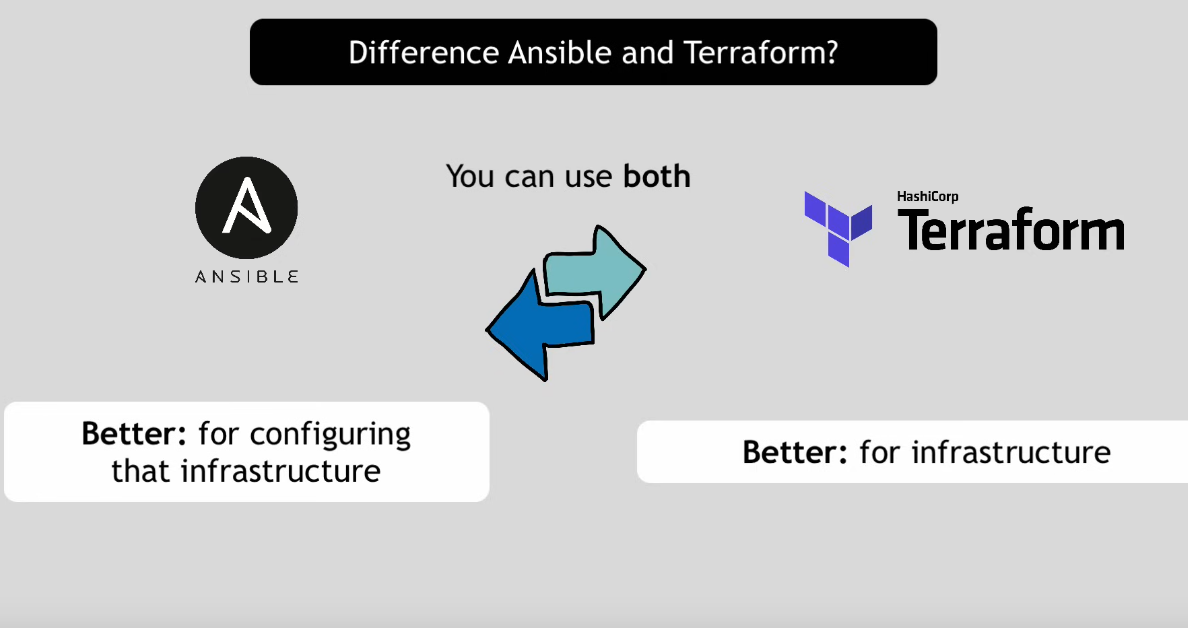
Difference from other tools like Ansible?
Terraform is declarative and manages infrastructure. Ansible is imperative and is more for configuration management.
-
What is tfstate?
File used to keep track of the current state of infrastructure.
-
Why use modules?
For reusability and maintainability of Terraform code.
Let me know if you want a cheat sheet, real code examples, or help setting it up for AWS or Azure.